Here’s how journalists try to get you to read a story.
We lead with what’s wrong in the world. The worst downstream impact of a bad problem. Millions of people are at risk of something happening, and here’s why. We do this because we think this is how we’ll get you to care and read.
Researchers in medicine do the same thing. They do this because they want grants and funding and, like journalists, they want people to care.
There’s an inherent flaw in both of these approaches when it comes to cancer. No one is under the impression cancer is good. We know it’s bad. What many of us want is ideas, thoughts, plans, practical knowledge to deal with everything that comes with cancer.
Luckily, both journalists and researchers are starting to realize this and changing their operations to focus more on providing actionable tools for the 20 million Americans living with cancer.
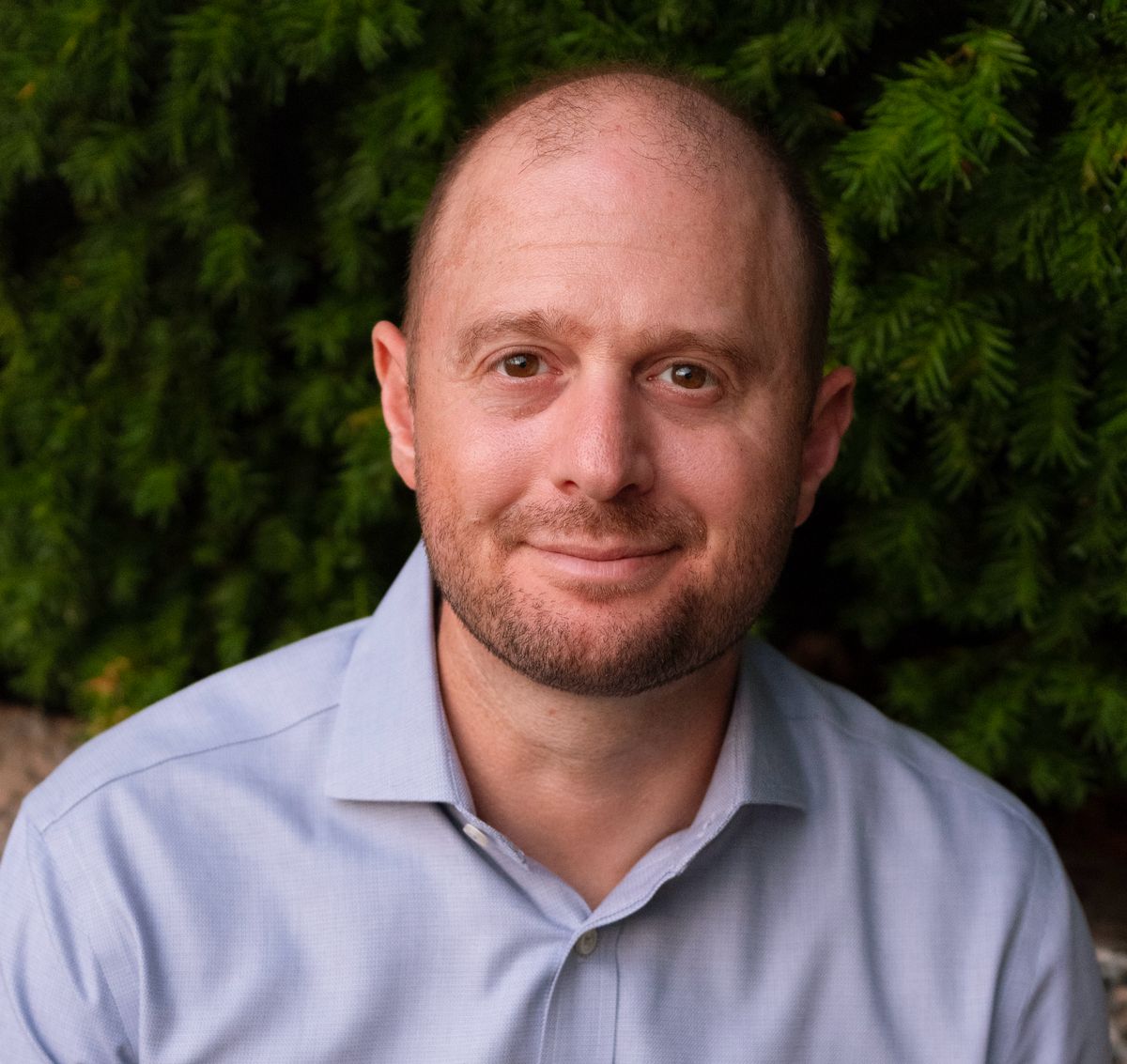
No one is leading this movement more than Dr. Fumiko Chino, a cancer researcher, radiation oncologist, and non-profit director at MD Anderson Cancer Center in Houston.
Dr. Chino got into the world of cancer by accident. She has a Bachelor of Fine Arts and spent much of her early career working for the largest distributor of anime in the country. But her life was upended in her 20s when her fiance got cancer, was treated for about a year, and died.
She immediately knew she had to pivot her life.
“I initially never wanted to treat anyone in cancer. But then I found financial toxicity in research, with people trying to work and improve affordability. And then I realized I should be an oncologist and that’s where my passions lay,” she says.

Dr. Chino, courtesy of The University of Texas MD Anderson Cancer Center
Financial Toxicity
You hear the term financial toxicity a lot in the world of cancer research, and it’s incredibly important. Financial toxicity examines all of the financial consequences of your diagnosis and treatment.
Dr. Chino’s research on financial toxicity is among the most followed, particularly for young cancer patients. She examines access, affordability and equity – which are all directly related when it comes to cancer.
She has looked at why improving insurance options can mean less refused treatment for young men with prostate cancer, outcomes for people experiencing homelessness with cancer, and the impact of state supplemental nutrition assistance on the likelihood women will get a mammogram – the answer is yes and shows that many women don’t get them purely for financial reasons.
All of this research on financial toxicity has set the standard and in many cases, helped lead to government and other changes. Now, she is pivoting her research to be more patient-centric and focused on direct improvement in care and finances.
“The majority of the research is describing the problem. The easiest gaps to fill are those communication gaps,” she says.
When it comes to younger patients, she notes conversations can be harder for doctors. And access to care, or specialty care, can be particularly tough given young people are more likely to have aggressive cancers and tougher treatments.
So she’s tailoring her research to improve that communication.
She’s also starting to look much further out for survivors. She notes that at any point during and after cancer – diagnosis, treatment and even long-term survivorship – health-care professionals can improve outcomes.
Little things, like giving people a parking voucher when visiting a hospital or making it easier to change medicine doses, can have lasting effects. Not to mention the long-term career impacts for younger patients, as cancer often comes at the worst time, right when you are starting to build wealth that could compound.
“And all of the financial toxicity research is missing the opportunity cost. What if you had to take time off of work due to diagnosis and treatment? Many people exit the work force and don’t have a path to return,” she says.
She has dream lists to examine the connection between financial care and insurance, financial care and copays, and she wants to really educate the next generation of doctors. She says too many patients are learning years after treatment about the long-term side effects of their chemotherapy or radiation. And too often, the focus is only on saving someone’s life and not really examining the years to come.
If you can’t tell, she’s also swayed me.
If most news articles are 90% what’s wrong with the world and 10% what you can do about it. I’m really trying to make this newsletter the opposite.
Between the Lines
It’s no surprise that cancer is expensive. But what exactly is the cost?
In the past year, I’ve read probably 50 research papers that try to tally up the costs from medical bills, insurance rates, long-term insurance rates, loss of wages and a host of other factors. One of the reports that is both recent and sticking in my head is this one.
In it, researchers found that having breast, colorectal or lung cancer increased your out-of-pocket medical costs by about $600 a month over six months (so, $3,500.) And this is likely the lowest possible cost given many of these patients had pretty good private insurance.
Again, though, this doesn’t show everything, like loss of income or travel and accommodations. Moreover, your medical bills are often higher for the rest of your life after cancer.