Being alone after cancer increases your risk of recurrence and death.
This is the undeniable conclusion of a study that tracked more than 3,000 cancer survivors. Survivors were separated into categories of low/no loneliness, mild, moderate, and severe. The results were clear: “Elevated loneliness was associated with a higher mortality risk among cancer survivors,” said the study.
The 2024 study and others like it served as a sort of wake-up call for health-care providers. Many hospitals have recently increased ride-service services, mental-health resources, and dozens of other programs that can help survivors. More survivors are also taking the matter into their own hands by leading groups that can help others, as I wrote about last year.
But for all the work on these very practical problems with loneliness, something is missing: The value of human connection at the exact time you need it.
This value is something Christina Merrill saw repeatedly in her more than 30 years as a social worker at Memorial Sloan-Kettering and Mount Sinai, and then as founder and chief executive of the Bone Marrow & Cancer Foundation.
Cancer patients and survivors supporting each other at the exact time of need provides significant value. There is the obvious emotional value that can happen with a quick call when you mentally spiral or need help figuring out if something in your body is worth elevating to your doctor. There is also direct value that can come from helping answer urgent questions about medical debt or clinical trials or any of a million things that can come up.
Social workers and friends can help. But someone in your cancer shoes is often the best resource at that moment.
“You leave your nurses and doctors and team, and then you are set to go free and lead your life. But then questions come up and you don’t know where to turn,” she says.
Hoping to help, Christina and her team at the Bone Marrow & Cancer Foundation launched the Cancer Buddy app in 2025. Think of it like Tinder, Hinge, or Match.com, but for cancer patients and survivors.

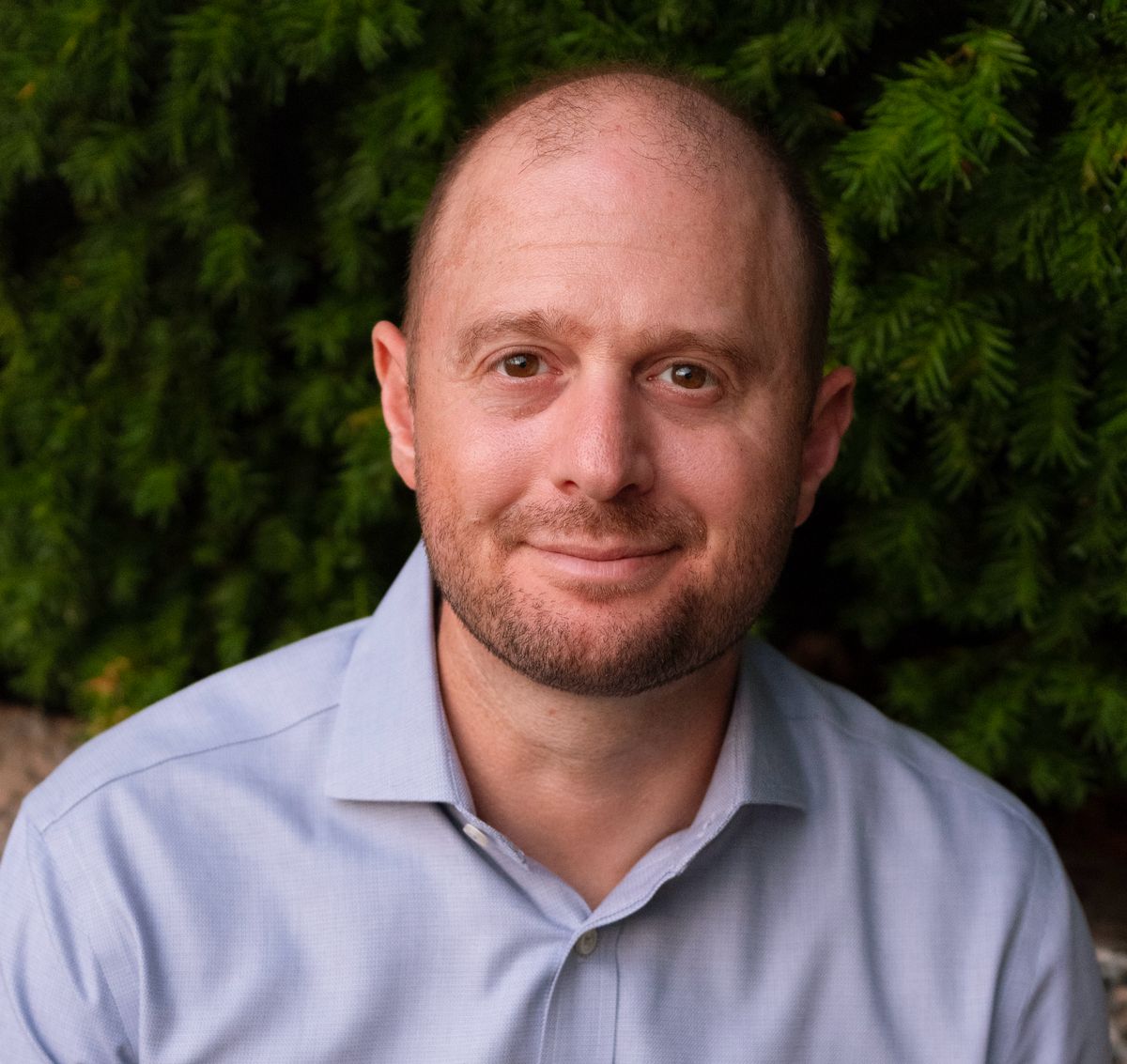
Christina Merrill
Cancer Buddy
While the Bone Marrow & Cancer Foundation launched the app, it is intended for patients and survivors of all types of cancer.
To get started, users download the app and create a personal profile. You insert your type of cancer, age, demographics and then can start swiping like on a dating app. Christina hopes the app provides users with peer connection first. You make a friend or a group of friends and then can lean on each other when you most need it.
There are also groups – such as for young cancer survivors or specific types of cancer – within the app. These groups often are led by ambassadors with real world experience in the subject matter, like a trained nurse.
While it sounds like a digital support group, it’s not. Christina notes that many survivors simply aren’t able to find a group that works for them. Sometimes, these survivors simply want to make connections on their terms, something that can be hard in a group led by someone else. Or, they can’t fit a group in their work and life schedule.
“If you have a group in the hospital, no one shows up for it most of the time. They need a modern way of connecting and this is Cancer Buddy,” says Christina.

How to Start
Christina’s advice to anyone thinking of joining is to just get on the app. Maybe a connection appears and maybe it does not. There are currently more than 7,000 users.
You can also just read the comments in any group and possibly get answers to a question you’ve been pondering. Right now, the adolescent and young (AYA) cancer group is the most popular, with one topic even creating its own sub group.
“We have a dating after diagnosis category. A lot of people wanted that so survivors could talk about the challenges,” says Christina.
There are also groups for non-survivors, such as caregivers and counselors. New groups are coming that focus on types of treatment, including stem cell and Car T therapy. Christina hopes to add in-person meet ups eventually, with a Cancer Buddy wellness event planned for later this year in Rhinebeck, NY.
All of these resources are free for patients and survivors.
“We use non-profit dollars. We try to give 80% of our dollars to our programs and keep lean administrative costs,” she says.
Between the Lines
Iowa has a cancer problem. For some reason, Iowan rates of cancer are rising faster than nearly every other state in the country.
This surge is creating a resources problem, particularly for physical and mental health. In a recent story, NPR focused on the mental toll and what cancer survivors can do amidst a desert of mental-health care.
While NPR didn’t lay out resources for survivors, my hope is that it is another drumbeat in a national call to arms. We need more mental care after treatment.