Chronic Myeloid Leukemia used to be a death sentence.
Average life expectancy for those with CML as recently as the early 1980s was abysmal, with 10-year survival occurring in less than 20% of patients. Left untreated, most patients died within three years.
Today, most patients can live an almost normal life expectancy. Modern science, and tyrosine kinase inhibitors in particular, have miraculously saved thousands of years in human life.
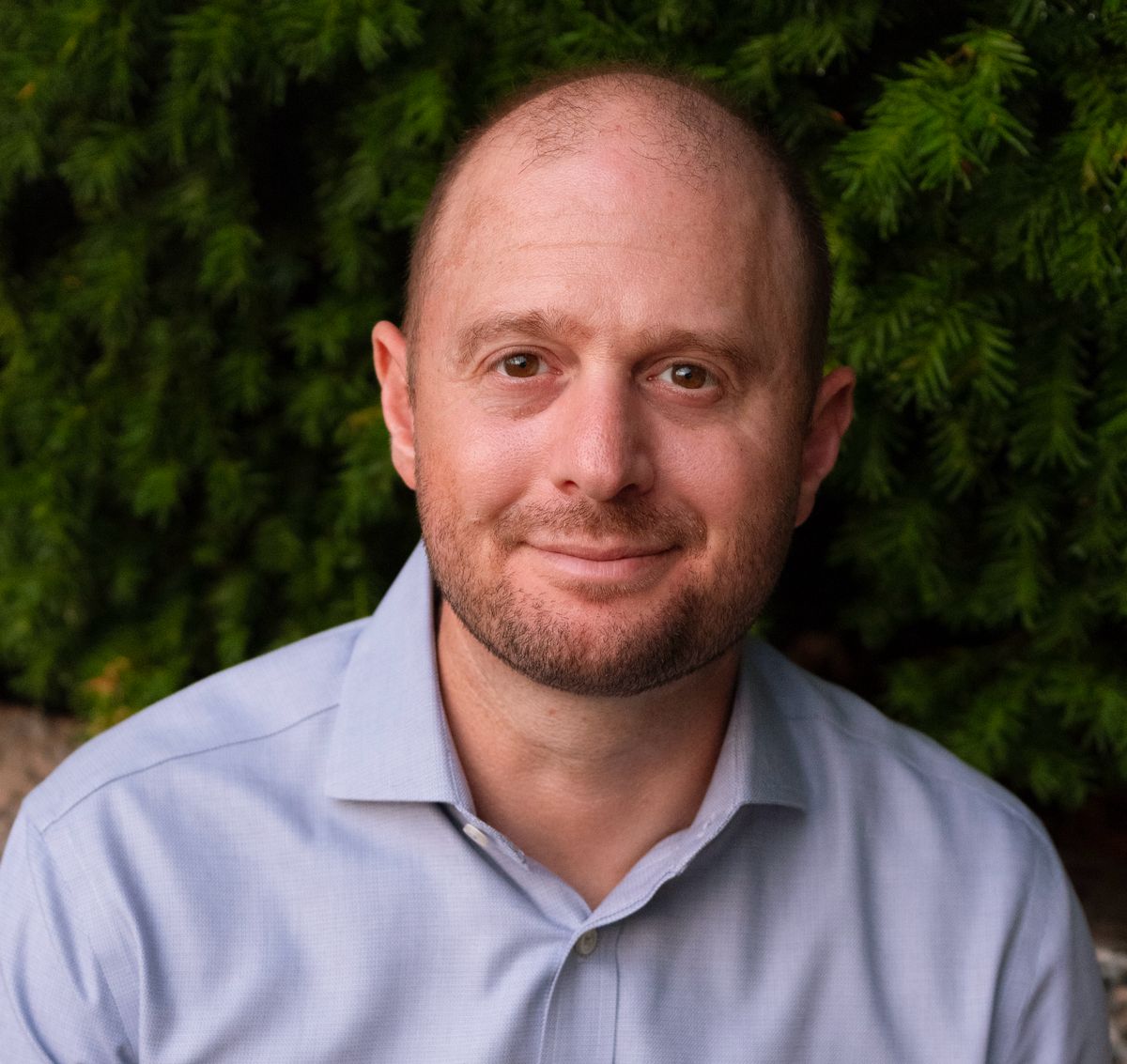
Dr. Jorge Cortes, director of the Georgia Cancer Center at Augusta University, has been at the forefront of this miracle. He has led some of the most crucial research into these TKIs in Mexico and the United States. He has also been bedside with hundreds of patients, learning exactly what the treatments are doing to them in real time.
Dr. Cortes is incredibly proud of the work. He is also now turning the page to a new passion.
While CML patients are living longer, many are suffering in silence. They are so thankful to be alive that they are often refusing to ask for help in ways that could improve their lives. He has had to push hard to get CML patients to acknowledge physical pain, financial strain, or many of the other life changes that can come with the reality of CML: Alive but chronically ill.
Seeing this up close and having witnessed three decades of CML progress, Dr. Cortes thinks its time for another re-set. Both for patients and physicians.
“Initially, you enter medicine because you are passionate about the science and all these new methods. And then little by little, you start realizing all these more holistic elements of a patient. Not just treatment or disease or a molecule but everything that plays a role in how a patient feels and their outcomes and everything that matters,” he says.

Courtesy of Dr. Cortes
The Value of Speaking Up
Talking with cancer survivors, the thought of keeping silent about a problem is common. One complaint can lead to more scans, more bloodwork, and often, no real solution. I often hear a similar refrain: I only have enough time and energy for big problems at this point.
Dr. Cortes’s advice is to try and push past that. You deserve to get better. For CML patients, this means that you shouldn’t ignore seemingly smaller side effects like fatigue, fluid retention, and diarrhea.
“If you are going to have diarrhea for the rest of your life, it’s really inconvenient. Say something,” he says.
He also has advice for clinicians to take these complaints seriously.
“We pat ourselves on the back and say these are low grade symptoms. Imagine that you have a tiny stone in your shoe and you keep walking. But after a while you sit down. Not because it’s incapacitating, but you can only take it so much,” he says.
Your Priorities
So, what should survivors with long-term complications, or even chronic illness, do? Dr. Cortes has a three step plan.
Team Care
Dr. Cortes says everyone should have a primary care physician and annual physicals.
But cancer survivors also face unique issues. If they had leukemia, they are taking specific drugs forever and need to be actively seen by an oncologist.
“Ideally, the oncologist and the primary care doctor should have clear communication. Not everything that happens comes from the drugs, so it’s good to have multiple views,” he says.
Sometimes this communication doesn’t work or doesn’t happen and the patient is bounced around. Make sure to nip this in the bud early, instead of waiting until a crisis. That could mean making it clear one of these doctors is in charge.
Get Involved More
Make sure you are involved as much as you can be.
The reality of chronic illness and survivorship is that there are often many treatment options for whatever you are currently going through. And there are pros and cons to each of these many options.
So. Don’t just take the advice, ask big and small questions about everything, even issues beyond side effects.
“Talk through the psychological aspects and the financial costs of each treatments. Get to know everything that could come up,” says Dr. Cortes.
Expand Your Caregivers
Hospitals and patients really focus on the caregiver in the acute phase of treatment. Practitioners know that in those early days, a strong support system can make all the difference. And, family and friends are often more than willing to lend a hand.
That becomes much tougher once the hardest treatments are over. Many caregivers go back to their normal lives thinking you – the survivor – are better, when you are not. Doctors also de-prioritize the caregiver a bit at this point, as well.
Dr. Cortes says that needs to change. And for patients, that often means expanding your network by asking more people for help and being honest with them about your current health situation. If you need help, ask for it.
“I’ve been doing research into social determination of health and the caregiver really impacts the outcome for those who are long-term sick,” he says.
Between the Lines
The most important story in cancer this week was unmistakable and everywhere.
On Tuesday, the American Cancer Society said that for the first time ever, 70% of Americans are now living five years after their cancer diagnosis. It’s a remarkable improvement given that 50 years ago, less than half of people diagnosed would live another five years.
Despite the incredible milestone, however, I haven’t gotten this quote out of my head from the ACS press release:
“This stunning victory is largely the result of decades of cancer research that provided clinicians with the tools to treat the disease more effectively, turning many cancers from a death sentence into a chronic disease,” said Rebecca Siegel, senior scientific director, surveillance research at the American Cancer Society and lead author of the report.
So, if cancer is now a chronic disease, do we have the medical infrastructure in place to help treat that many millions who are now chronically ill?
My guess is that we don’t and medicine itself is going to have to change rapidly. In the meantime, all of us survivors will have to remain vigilant about our own health and advocate for ourselves as often as we need to.