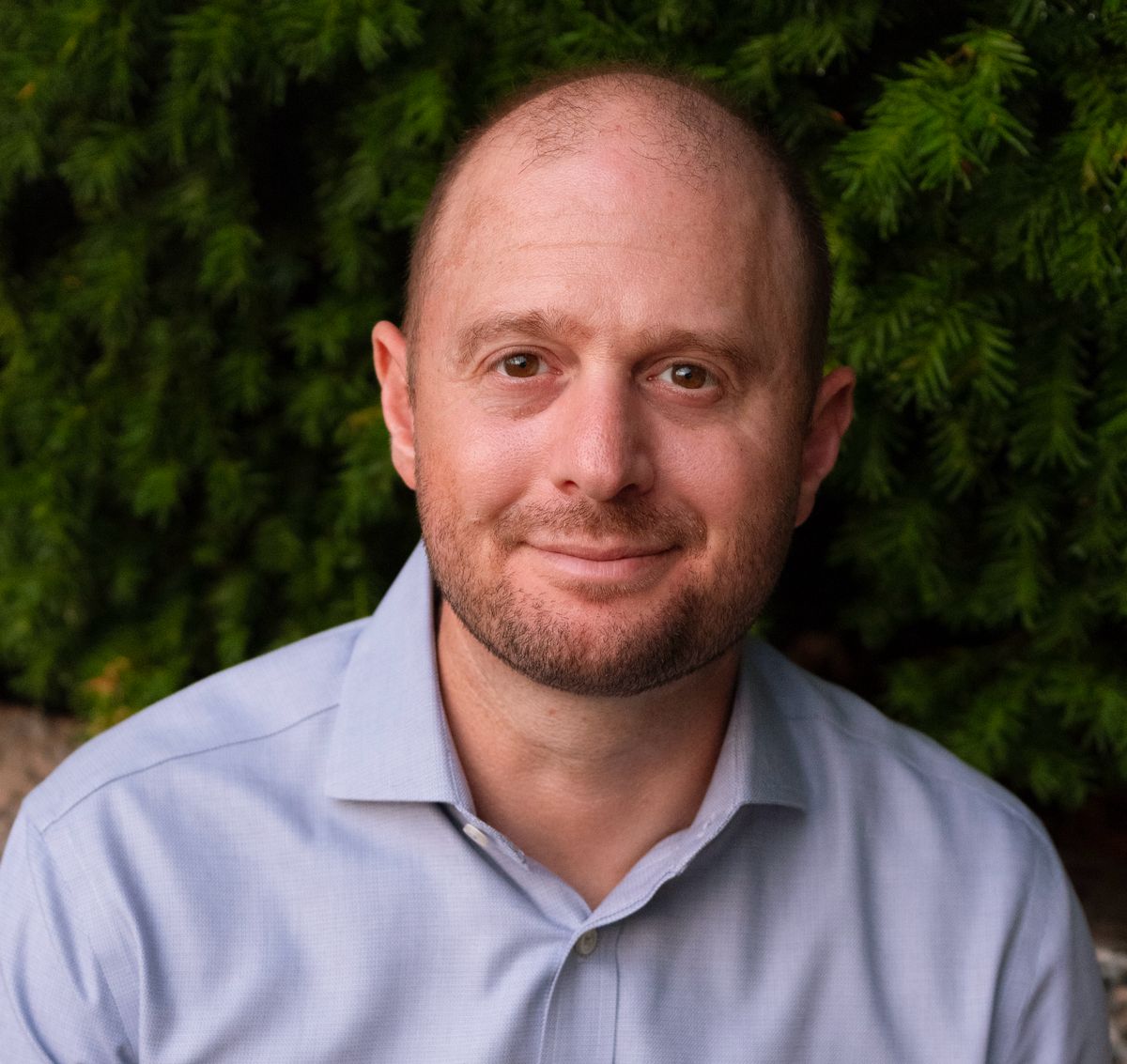
Edward Miskie and I share a lot in common.
We both live in the New York area, we both sport the typical beard a mid-40s man in America has today, and we both got non-Hodgkin Lymphoma at almost the exact same time.
We also both ran away from cancer right after we got healthy – or healthier. We focused on building our professional careers and tried to ignore that cancer ever happened to us.
Edward came around to embracing his cancer experience a little faster than I did.
In the past four years, the writer, performer, and public speaker has reshaped his life around cancer. He had a podcast and interview series, spoke at cancer events, and found other ways to help. In 2022, he published the book Cancer, Musical Theatre & Other Chronic Illnesses. It’s kind of a fever dream; crazy, funny, and at times, poignant.
Kind of like cancer treatment.
Up next, Edward is taking on his largest project yet, The Remission Film Festival. Slated for April 17, the festival will showcase films written or produced by cancer patients and those close to cancer patients. It’s the only festival of its kind, with all funds benefiting Blood Cancer United.
It’s the perfect example of how cancer survivors can’t best embrace helping others. Don’t start from scratch. Take your talents and ask yourself how you can best bring those talents into the large and growing world of cancer survivorship.
“The idea that I get to marry two things that I deeply care about together and create a wonderful experience for those who want to help - that's the dream isn't it?” says Edward.

Why Films?
Edward says film and cancer are a natural marriage.
Like many of us, he’s read books or seen documentaries and films about someone’s cancer and almost always felt inspired. Often, he learns something that is helpful or comforting.
He was also frustrated. Too often, he felt the stories about cancer disregarded the actual experience, glossing over the day-to-day issues that patients and survivors face.
Lately though, he’s had a bit of regret. He didn’t tell his story and didn’t embrace his experience quickly. He took only a few pictures and no videos during treatment. The only real memories are the notes his mom took.
He didn’t examine his own vulnerabilities through writing or film until recently. He thinks the festival is a way for him to make up for that lost time by helping others.
“I wish I would have had the courage to put myself out there in that way - maybe it would have made surviving much easier. Maybe it would have made facing life after cancer smoother,” he says.

Edward during treatment.
The Festival
The festival itself will be held at the Leonard Nimoy Theater at Symphony Space in New York. There will be a red carpet and cocktails. Doors open at 6 pm and then screenings start at 6:30 pm.
Edward hopes the Remission Film Festival will be an annual festival that benefits a new cancer organization every year.
One of the films this year will be a documentary featuring 30 survivors talking about how cancer has made their lives better. Well, maybe not better, but richer. Edward is one of the 30. So am I. Sadly, the hair on the top of his head is in much better shape than mine in the documentary and in real life.
In helping put the festival and the documentary together, Edward says he’s been most surprised by how many people have been willing to help. You just need to be willing to ask.
“I often approach creating things under the assumption that I care, but very others care,” says Edward. “We have gotten product donations for fundraising raffles, and volunteers at an unreal scope. The amount of people who wanted to contribute and be involved in the documentary filming process was very touching.”
Between the Lines
In my day job over at BBC Studios, I have the great fortune of working with a team of journalists dedicated to helping you live better. To that end, I was particularly struck by Melissa Hogenboom’s column this week.
In it, she examines how calorie counting falls short. When you eat, how fast you eat and how much you chew all play a role in how your body reacts to food.
For survivors, staying healthy is a main ingredient in lowering your recurrence risk. And maybe this knowledge can help.