The cancer artificial intelligence arms race has officially begun.
Late last year, I profiled everything going on at Epic, the giant Wisconsin-based technology company that runs MyChart. All told, the firm has more than 160 different AI ventures ongoing that could upend many parts of your healthcare experience.
But Epic’s AI plans are focused broadly on health. Many other technology firms starting out recently are narrowly focused only on just cancer; cancer patients, cancer survivors, cancer doctors, and even cancer caregivers. Every month it seems a new venture-capital backed firm is launching and promising to change your cancer experience.
Much of what’s happening, you will never see as a patient. Better handling of your records or better communication between doctors and insurance companies. But one place on the front lines you will absolutely see: diagnosis.
A group of companies and medical professionals now believe that AI can help figure out the exact specific right treatment for you. In some cases, this is needed because not everyone can get to a top-flight cancer center. In other cases, it’s because AI is better at examining the minutiae in your cancer diagnosis and the likelihood of certain side effects given your medical history.
These strides are particularly helpful for cancer survivors, who may need additional therapies later in their lives. It can be incredibly complicated to thread the needle of treatment on someone who has already gone through chemotherapy or something similar.
Radical Health
Radical Health is one of those companies aiming to upend the way we treat cancer thanks to AI. Its focus is on access – and fixing the access gap to top flight care that can happen in different parts of the world.
When a doctor uses the San Francisco-based startup’s system, they plug into Radical Health all of your medical records, scans and diagnosis, and the company gives you a treatment plan.
The recommendations are based on public data (like research), medical research inside hospitals, and guidance from top oncologists at places like the Mayo Clinic.
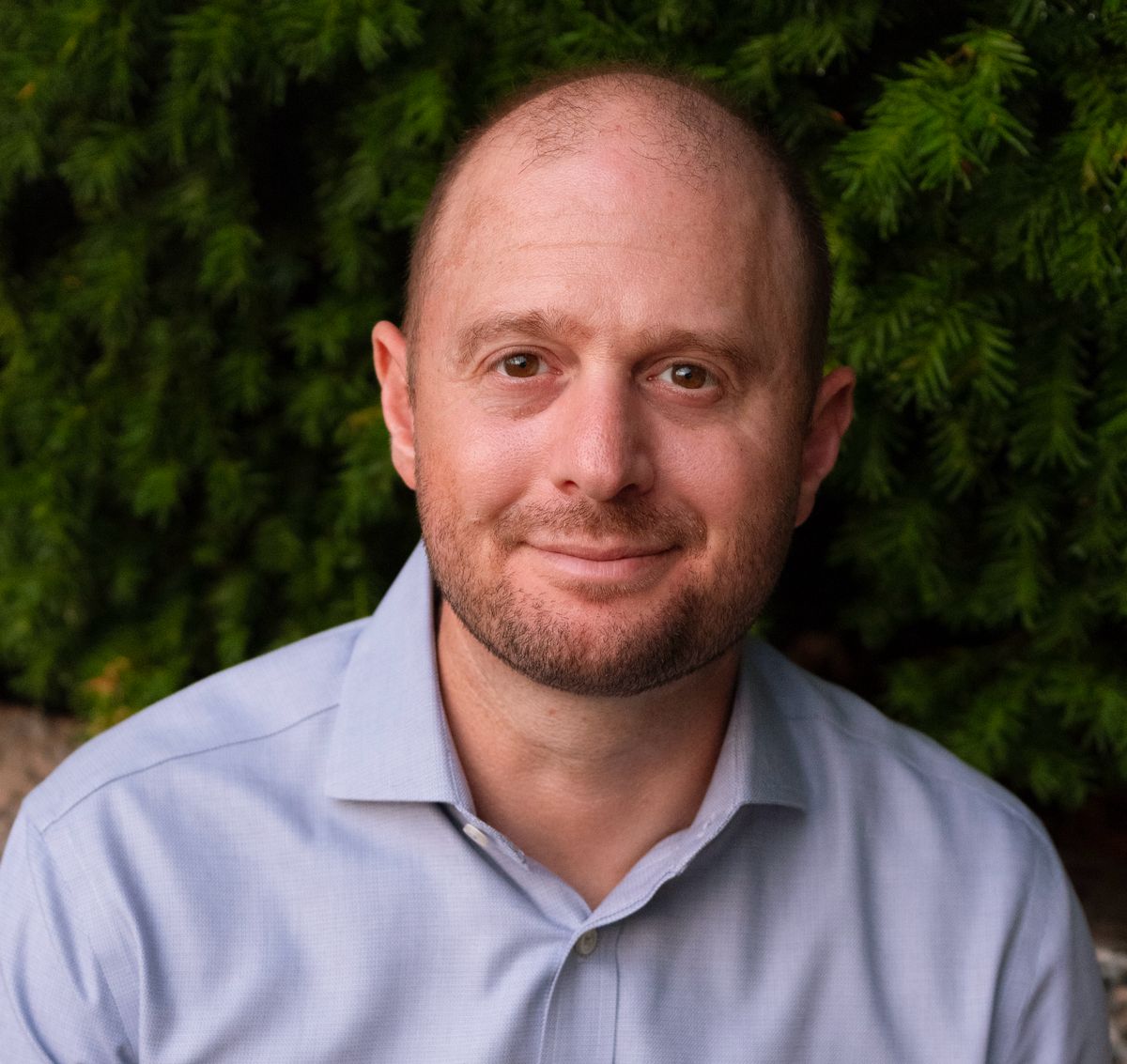
“We want to make sure every patient has access to the best oncologists in the world. And the only way to do that is with AI,” says Simone Jensen, the company’s founder and chief executive. “We only take information from top doctors and then we bring that down to you.”

Simone Jensen, Radical Health’s founder and chief executive
Simone says that when she initially founded the company, she expected it to be largely used by doctors. Instead, it’s become much more popular with patients trying to advocate for themselves and get control of their treatment plan.
The company is focusing much of its growth on areas of the country where there are fewer oncologists, so-called “cancer care deserts.” For many cancers, the rate of survival is simply much lower if you live in one of these areas. A study of multiple myeloma, for example, showed patients at lower-volume facilities had a 20% higher risk of death.
One of the features that is particularly popular for patients in those desert areas is a 24/7 AI nurse that can help manage side effects or guide you on whether a current issue is common. You can even upload scans or images and ask specific questions.
“Let’s say you have nausea, we can recommend the right meds for you. Or for bone density loss, we can make recommendations. But it is based on your specific records,” Simone says.
As for your data, the company says it is HIPAA compliant and doesn’t train on any of your data.
The Caveat
In working on this newsletter and writing my book, you can’t imagine the amount of AI and cancer companies that have pitched their service. There is AI cancer detection, AI for working out after cancer, AI for cancer subtyping and even an AI avatar that helps you beat scanxiety (the feeling of anxiety that comes before a scan.)
Almost every time I meet with one of these companies, I’m excited. The possibilities can lower disease, improve treatment, and lead to higher quality of life.
My caveat would be that the first meeting I had about AI and cancer was actually 13 years ago. When I was diagnosed, the standard protocol for my cancer was one treatment. However, some oncologists we consulted pushed a different treatment.
Among their reasons, these oncologists said AI had helped them process the data from a clinical trial faster. That data showed that this other treatment was working better. I asked for the data, spoke with my oncologist, and we went with the second option.
I started treatment in March of that year. By the end of the year, their study was published and the clinical trial treatment became the new standard protocol.
So, my caveat is to absolutely embrace the possibilities. But demand the proof. AI didn’t start overnight, if there isn’t proof that the system works, move on from it.
Between the Lines
In case you missed it, the breakthrough of the year in cancer treatment was likely published a few weeks ago at the American Society of Clinical Oncology’s annual meeting in Chicago. The breakthrough was data showing an experimental pancreatic cancer drug had doubled survival in patents with advanced disease.
It was really exciting, so much so that I got maybe a dozen emails on the results.
Now comes the potentially even more exciting part, what else can this drug do?