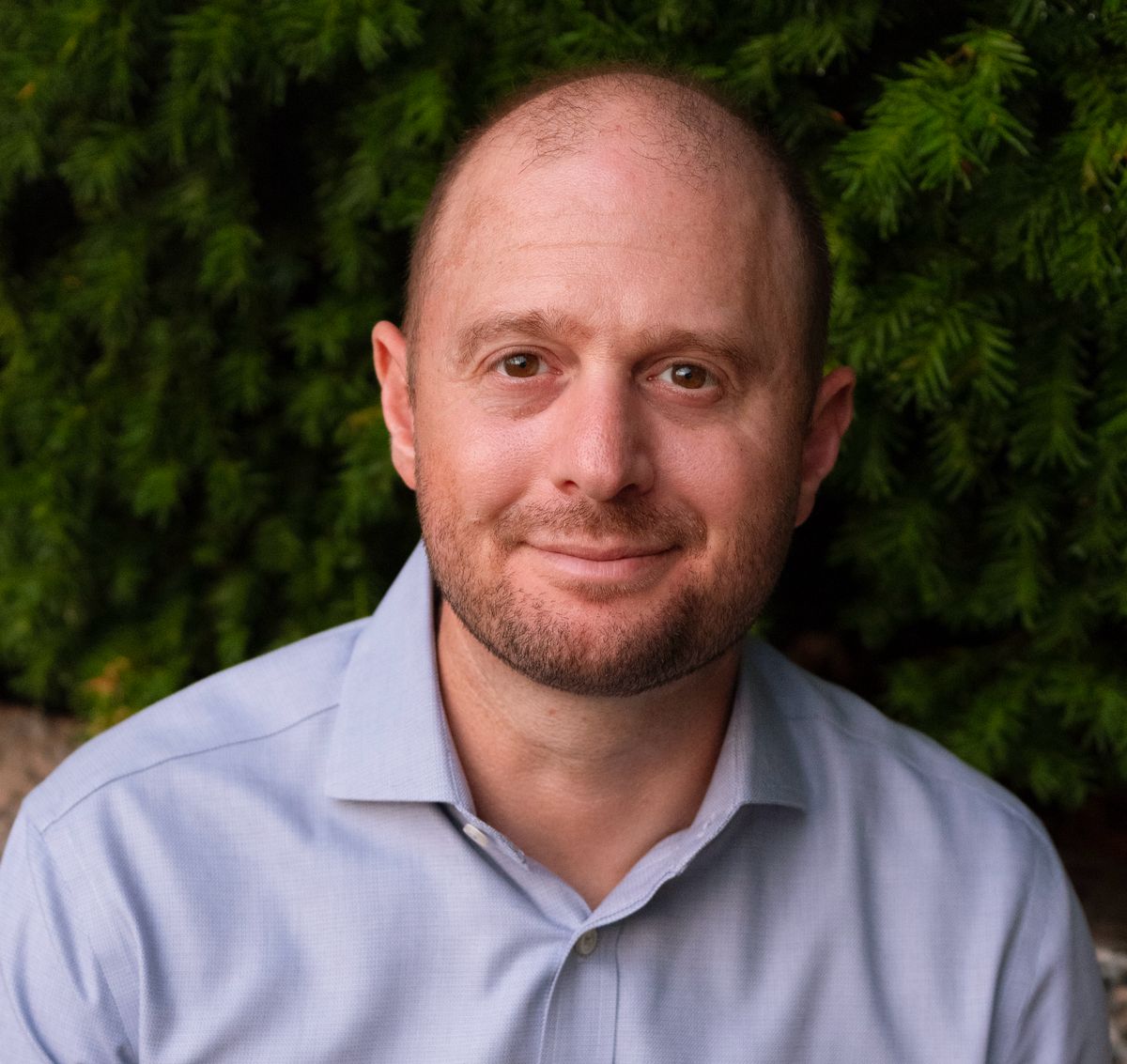

Kristi Graves has spent her entire career studying how our minds respond to cancer treatment.
Whether we undertook chemotherapy, immunotherapy, radiation, or some other treatment, Kristi has studied our stress, anger, and depression. She’s even studied how caregivers of cancer patients respond and how we can better help each other.
Her breadth of research is impressive. But one fact has repeatedly stood out as she talks to survivors and studies them: Transplant therapy patients have among the hardest roads to mental recovery.
In a stem cell or other similar transplant, the isolation of cancer is magnified. Patients are often in full isolation for weeks or months at a time, locked up in cold hospital rooms and only able to see their families for limited times, masked.
This isolation is one reason many of these patients have elevated depression and stress that persists for years after the treatment. For years, she and her colleagues have studied how to lessen those symptoms.
A few years ago, colleagues of hers had a breakthrough that is relevant for both stem cell patients and survivors everywhere: Writing helps. The simple act of expressive writing and peer-driven writing exercises lead to lower psychological distress.
“Writing about your transplant helped with some of the symptoms over time. Creating a narrative that makes sense helps versus just writing about the facts,” says Dr. Graves, a tenured professor, associate dean and Ph.D. clinical psychologist at Georgetown University.

Dr. Graves, a tenured professor, associate dean and Ph.D. clinical psychologist at Georgetown University
On Writing
The research on expressive writings mirror those of Ben Rogers at Boston College, who I wrote about in my first newsletter post. You can’t just write to write, but if you write with meaning and put yourself in the center of a hero's journey, there can be drastic psychological benefits.
Kristi says that writing can often help you reset priorities and create something called benefit finding. This is the psychological term for identifying meaning from a traumatic event that can lead to positive change.
Interestingly enough, Kristi and her team have also found that helping others can also help stem cell transplants improve their mental and physical health, but only if they first started the writing exercises.
In a surprise, however, starting the writing earlier in your stem cell transplant process didn’t help. Maybe it’s that patients were too early in their treatment and weren’t yet ready to process the experience, says Kristi.
On Isolation
While writing can help in many ways, it can’t overcome everything.
Kristi says her research signals that those with social isolation and a lack of support going into a transplant may have worse outcomes coming out of one. This can even happen with people who seem completely supported by family on the surface, but have a hard time talking about hard things. Instead, they swallow them inside.
“That sense that you can’t share your thoughts and feelings can have has these big impacts on your quality of life,” says Kristi.
She says all survivors – but particularly those formerly in isolation – need to find someone to talk to. There are tried and true ways to manage distress for cancer transplant patients that any trained mental health professional will use. These methods help you recognize the stresses in your life and then manage them.
If you don’t believe in psychology or group therapy, that’s fine. But you should try to acknowledge these stresses and come up with a solution.
You may even be able to find other outlets. Kristi is now exploring the value of simply reading other people’s stories about their cancer and after treatment experience in an on-going study. There are often nuggets of wisdom in these stories that can help you solve a problem without even realizing it.
You can also more actively find a friend or use your hospital system to find a cancer buddy going through something similar. It can help.
“Finding someone that has been through what you have been through helps. It can just be a one-on-one,” says Kristi. “Human connection simply can’t be replaced.”
Between the Lines
A recent New York Times article has gone viral extolling the virtues of physical activity for cancer patients and survivors. It’s a point we’ve written about here and dedicate a chapter to in my book.
Simply put, exercise programs can lower your cancer risk and can lower your recurrence risk. If they were a pill, every doctor would prescribe them for survivors.
If you are a survivor who was inspired by the article to get in shape (or get into the right shape) but don't know how to get started. Here you go! I've got workbooks, references and advice from experts.
Thank you again to my friends at Livestrong for the help.