In the old days, when you were done with acute treatment for cancer, there was no infrastructure to support you.
You saw your oncologist for a while, went back to your primary doctor, and tried to make sense of everything that had happened. There was no survivorship industry, online support network, or medical support system. Survivorship was a dream, not a field of study in medicine.
But today, institutes and clinics devoted to cancer survivors exist at Yale University, Memorial Sloan Kettering Hospital, and basically all cancer hospitals. There are also non-profit programs, for-profit companies, apps, call centers, meet ups and publications. There is an army of people trying to study what you need and then provide it.
I talk about this burgeoning industry to some survivors and their response is “oh wow. I had no idea.” If that’s you, this EXISTS. Take advantage. We know so much more about what your treatment did to your brain and body today, and have better tools to help with both.
Others say they know, but want a better idea at what these programs and institutes look like. A good example of the type of support offered by survivorship programs would be the Stress Management and Resilience Training program for cancer survivors at Mass General Brigham Cancer Institute.
The Boston hospital offers this mind body program for two distinct cancer groups: Patients aged 18-39 and patients who are over 40.
“These programs are about helping you understand that what you are experiencing is normal – you aren’t alone. Then we help you identify strategies to help manage your stressors and emotions and ultimately reduce the impact that cancer has had on your quality of life,” says Dr. Giselle Perez, director of Adolescent and Young Adult Research and the Stress Management and Resiliency Training Program for Cancer Survivors at MGB.

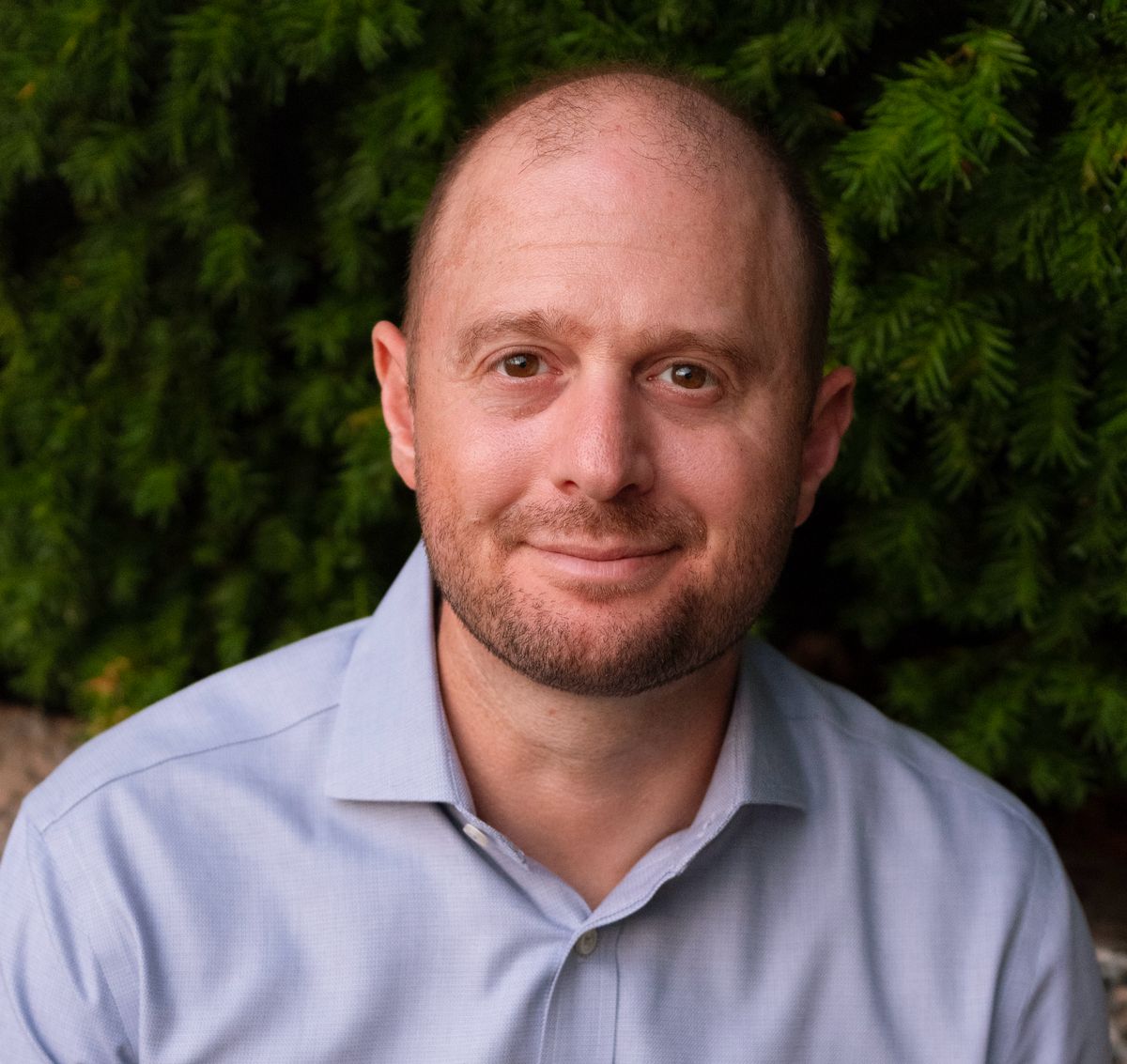
Dr. Giselle Perez, director of Adolescent and Young Adult Research and the Stress Management and Resiliency Training Program for Cancer Survivors at MGB.
Inside the Program
The SMART Program for Cancer Survivors was developed as a collaboration between the MGB Cancer Institute and the Benson Henry Institute for Mind Body Medicine. The programs run for about nine weeks.
In the beginning, group leaders spend time helping you figure out what your needs might be. Some people may desire more social support or help communicating with others. Other patients come to the program with lingering physical ailments or other distresses that are leading to strong emotions.
“We proactively help people manage many of the common post-treatment life challenges they experience so distress doesn’t escalate,” says Dr. Perez.
This is not a support group or talk therapy, she says. It’s targeted, skills-based treatment that has strong empirical support and is guided by research into how each of these groups are uniquely impacted by cancer.
For young cancer survivors, for example, there is often a struggle with making sense of shifts in life goals given all of the milestones have moved. These survivors may marry later, have family later, and push out many other hallmarks of adult life.
These survivors may also have specific physical constraints that can linger for decades. Young cancer patients are often given harsher chemotherapy regimens, which can mean harsher side effects for the rest of their lives.
“We understand that cancer can bring many changes to your life. Instead of trying to tackle everything at once, we help you identify what feels most overwhelming to you. Then, we offer tools to help you work through these and other concerns,” she says.
What Can You Do?
Dr. Perez says that you absolutely shouldn’t suffer in silence. If you are overwhelmed in any way right now, have your provider connect you to a program like MGB’s SMART for Cancer Survivors.
A mind body program like this one can help you start to figure out what is concerning you and help you feel more in control of your life after cancer treatment. Often, patients may start with individual care and then maybe move into group work if it makes sense.
She also notes these programs, at their best, begin as soon as you are through the acute stage of your treatment. If you are nearing the end of chemo or know someone who is, begin to discuss programs such as SMART for Cancer Survivors with your oncologist.
In her dream world, Dr. Perez says the program would be a part of the cancer care team across the cancer institute and not just for patients who are directly referred to the program.
This is particularly important for one’s emotional and mental health, be it distress due to the lingering impacts of treatment or more general struggles with anxiety, anger or depression.
“My goal is to destigmatize mental health care and embed it into the post- cancer treatment experience so it becomes a more preventative approach. We can teach patients practical skills to help them manage the challenges of life after cancer and identify areas where additional support may be helpful,” she says.
Between the Lines
This week’s between the lines isn’t a story. It’s a stat.
According to NYC Health + Hospital, more than 70% of eligible patients in New York City were up to date on colorectal cancer screening in 2025. That’s more than 117,000 patients.
A lot of people should take credit for this massive improvement in screening awareness. It is saving and will continue to save thousands of people every year.