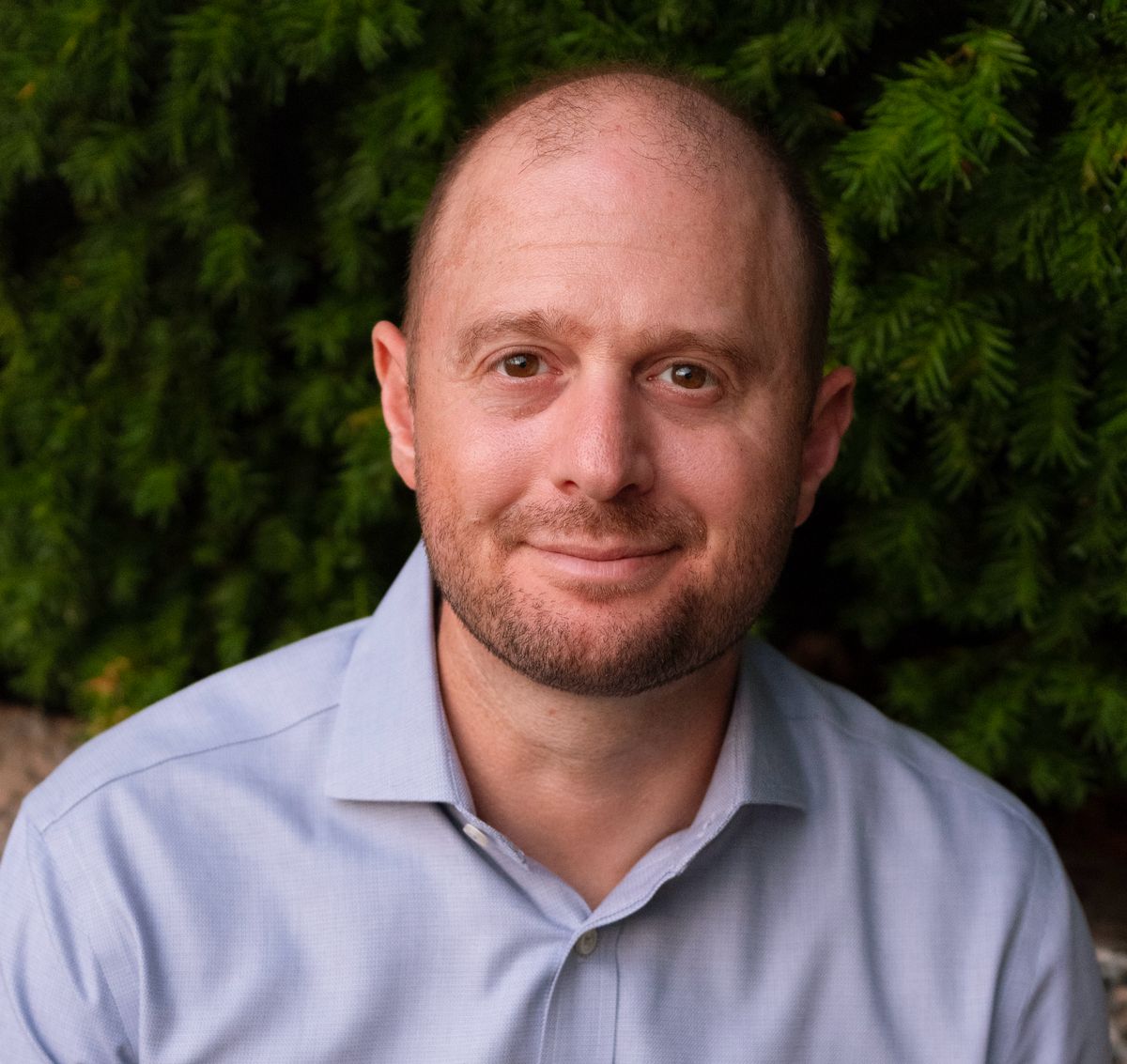
Jill Feldman has thought about lung cancer for as long as she can remember.
Her grandparents, father, mother and aunt were all diagnosed with lung cancer and passed away from the disease. Because of her family’s history, Jill started regular CT screens in her 20s. At 39, she was diagnosed with stage 1A lung cancer.
Jill has remained resilient through surgeries, therapies and several other treatments. She tolerated some of these well and others have led to a decline in the quality of her life, she says. She’s certainly not cured but she is alive and thankful.
Her father died three months after his diagnosis. Jill has made it more than 16 years after her own diagnosis, long enough to see all of her children graduate high school and three graduate college.
She counts herself lucky.
Yet luck is a complicated word for people affected by lung cancer.
Watching and managing lung cancer is an ongoing journey for Jill, with her disease progressing every few years. She has some good days and many tough days physically, navigating the challenges of cancer and treatment.
She also has a larger mental burden than many of us given lung cancer remains one of the most deadly forms of disease. All of the long-term side effects of treatment and her disease – from chronic fatigue and pain to cognitive impairment – are a constant reminder of lung cancer. Not to mention, she has stark reminders of her own mortality popping up whenever she thinks about her family.
“My family story is real hope. But the reality is that I know that lung cancer will kill me. I just don’t know when,” she says.

Courtesy of Jill Feldman
To Ignore or Embrace
Cancer isn’t a binary experience for many survivors, where you have it and then you don’t. As cancer survival rates surge, many stay alive by moving from acute treatment to varying degrees of active treatment.
It’s better than the alternative, death. But it is far from easy.
Some of the people I’ve met in Jill’s position have chosen to ignore their cancer in hopes of finding joy. They’ll ignore doctors, avoid hospitals and do whatever it takes to live a non-cancer life until they are too sick to ignore it. I know one five-time survivor who refused to see any doctor for nearly two years after his last treatment. It took an emergency room visit before he saw his oncologist again.
Jill, who has faced the reality of treatment for more than a decade, says she’s constantly learning and re-learning about what it takes to do it gracefully.
“When the cancer kept coming back, it was hard to shift from cure to manage. But I had to wrap my head around it and move forward,” she says.
At first, she tried really healthy living but felt it wasn’t for her. It wasn’t serving others.
In time, she became a research advocate. It was very intimidating at first, but she has embraced the role to help build a stronger community and hopefully more treatments for those with EGFR-mutated non-small cell lung cancer, a type of non-small cell lung cancer with a mutation in a certain gene. She has hosted a summit for patients and caregivers, presented at conferences and been published in research.
“It allows me to choose the role that lung cancer is going to play in my life. Instead of it being about loss, it’s more about helping people and changing things,” says Jill.
Rules to Live By
As an advocate, Jill has a series of rules she lives by. In case it helps you, here are her rules:
You are not a statistic. You are a person.
“When you are diagnosed, it’s like being dropped-kicked into a foreign country. You don’t know where you are and you don’t speak the language. And you have to figure out how to survive a fragmented healthcare system with a mountain lion chasing you. And you’ve got anxiety and stress clogging your ability to think clearly.”
“But ask questions and try to understand what things mean. It helps.”
There is hope. My story is of hope.
“Don’t throw the Hail Mary touchdown. You are going to lose. You just need to get to that next first down. I know enough first downs keep you in the game, the more time research has to catch up.”
You are not alone.
“It’s work every single day. There are days I don’t want to get out of bed and days I can conquer the world. Cancer is not a gift, I would have returned it a long time ago. But I believe in silver linings and the community I’ve found is that.”
Between the Lines
While the overall cost of cancer continues to surge — be it treatment, loss of income, or millions of other financial burdens — one part of the cost is falling. Screening.
Earlier this week, federal health officials said that self-collected samples can be used to screen for cervical cancer and insurance will have to cover it. The development comes on the heels of more states offering expanded and covered breast cancer screening and cheaper blood test screenings for pancreatic and other cancers.
It’s a small step but an important one. If costs are keeping anyone you know from getting screened for cancer at an age they need to be screened, please tell them.