There is a palpable panic when you talk to cancer doctors and researchers lately. Nearly everyone wants to know what will happen to cancer outcomes after funding cuts at the National Cancer Institute.
The backdrop to this concern stems from the government’s decision last year to cut funding for the NCI by about 31% compared with 2024, with billions more dollars expected to be cut in coming years, according to a U.S. Senate Minority Staff report.
The decision has spurred letters, actions and lobbying from the American Cancer Society, the American Association of Cancer Research, and others. It was a centerpiece of Tatiana Schlossberg’s viral article in the The New Yorker, where the daughter of Caroline Kennedy revealed her terminal cancer diagnosis and lamented a loss of cancer funding under the current administration. Schlossberg has since died from cancer.
Inside research facilities, doctors have told me about lost grants, cancelled projects, and staff leaving to do work elsewhere.
The government is making the cuts as part of its desire to cut fraud and waste by reducing spending across the federal government. Those on the receiving end of funds argue that the improvement in cancer survivorship, where 70% of people are now living five years after diagnosis, is at risk.
As the battle between cancer lobbyists and the government over funding continues, it is worth asking where money might come from if U.S. government funding declines for years? Foreign governments (particularly Germany), direct donations, large non-profits, and state funding came up as the most likely places when I asked around.
There is also a relatively newer type of funding that continues to make hay: Investment foundations and institutes.
Some of these groups include the Parker Institute for Cancer Immunotherapy, founded by Napster founder and Facebook investor Sean Parker, and The Mark Foundation for Cancer Research.
These groups provide direct funding for research, much like the government. But they also have their own venture investments in biotech, biopharma and otherwise. They are making these investments to make money on them, which is different from how the government invests and could spur changes in how research is done.
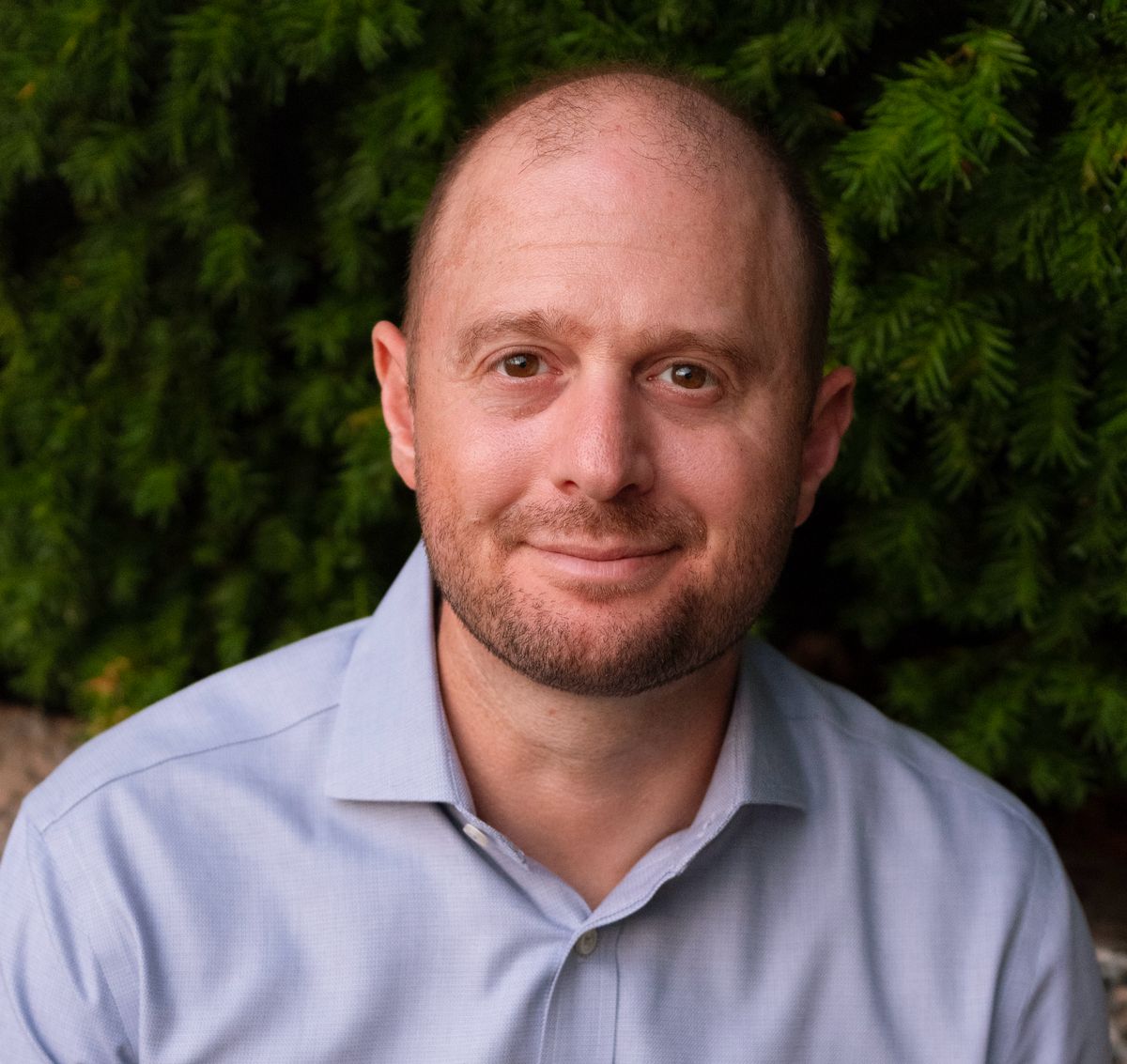
“We bridge the gap between fundamental discovery research through the next stage where it is turned into a treatment or diagnosis,” says Ryan Schoenfeld, chief executive of The Mark Foundation.

Courtesy of the Mark Foundation
The Mark Foundation
The Mark Foundation, which is based in New York, has been around for about eight years. It was launched with an initial investment from Pamplona Capital Management founder Alexander Knaster. The Mark Foundation has since diversified its funding with a broader donor base and returns from its investments.
Ryan joined the group at its founding, serving as chief scientific officer before becoming CEO in 2022. He has a PhD in chemistry, having worked at Janssen Pharmaceuticals and other foundations.
Talking with Ryan, you get the feeling that The Mark Foundation operates more like a massive company with diverse revenue lines than a simple non-profit. In an hour-long call, he mentioned more than a dozen different initiatives the group is undertaking on its own, in partnership with other groups, or with for-profit companies that have created a drug or other therapy for cancer patients.
He was particularly enthused about a project related to aging and cancer the group is working on in collaboration with the Samuel Waxman Cancer Research Foundation. The hope is to better understand how inflammation, metabolism, and other changes as you age impact your risk for cancer.
This research could be crucial for improving the quality of life of survivors, says Ryan.
“A lot of research into treatments and side effects is based on younger patients. But older patients respond differently. We need to understand the biology of aging and how that relates to cancer better,” he says.
The Mark Foundation is also trying to change how drugs are tested. Often, drugs are tested on metastatic stage IV cancers. Rarely is something designed for pre cancer or early cancer treatment. But there may be a whole different class of therapeutics, says Ryan, where you increase the patient’s immune system’s ability to fight back.
“We want to develop a risk model based on genetic history or personal health to predict the risk over time for getting different types of cancer. And then if we get a group that is high risk, we can put them in trials or add mitigating factors,” he says.
What Happens Now?
As for what the drop off in federal funding means for research generally, Ryan acknowledges that a lot of the really early funding may be harder to find. And, that researchers are going to have to reexamine all of their processes given the old models simply won’t work as well.
Still, he doesn’t think it will be impossible to get funding early.
The Mark Foundation itself is putting more money into early career support awards and team awards. And focusing more of its grant funding on cancer investigators who want to take big risks.
“We want research that isn’t guaranteed to work,” he says.
Between the Lines
Earlier this week, Moderna and Merck said their combined vaccine cut the risk of death or recurrence from one of the most deadly forms of skin cancer five years after treatment began.
Practically speaking, I don’t know what this means for us survivors just yet. The vaccine is still in trials and far from shelves. But, as someone who became obsessed with the possibility from mRNA vaccines during the pandemic, it was exciting to see. With the hope being that more of these types of vaccines are possible.
If you want to get a little mRNA obsessed too, might I suggest reading Gregory Zuckerman’s book, “A Shot to Save the World.” Greg’s a friend and one of the best chroniclers of modern business in the world. It’s a classic.